The 1803 Nickel Question: Why the Date Still Causes Confusion
Collectors occasionally encounter references to a 1803 nickel, yet the story behind this date reveals how misunderstandings about early American coinage continue to circulate.
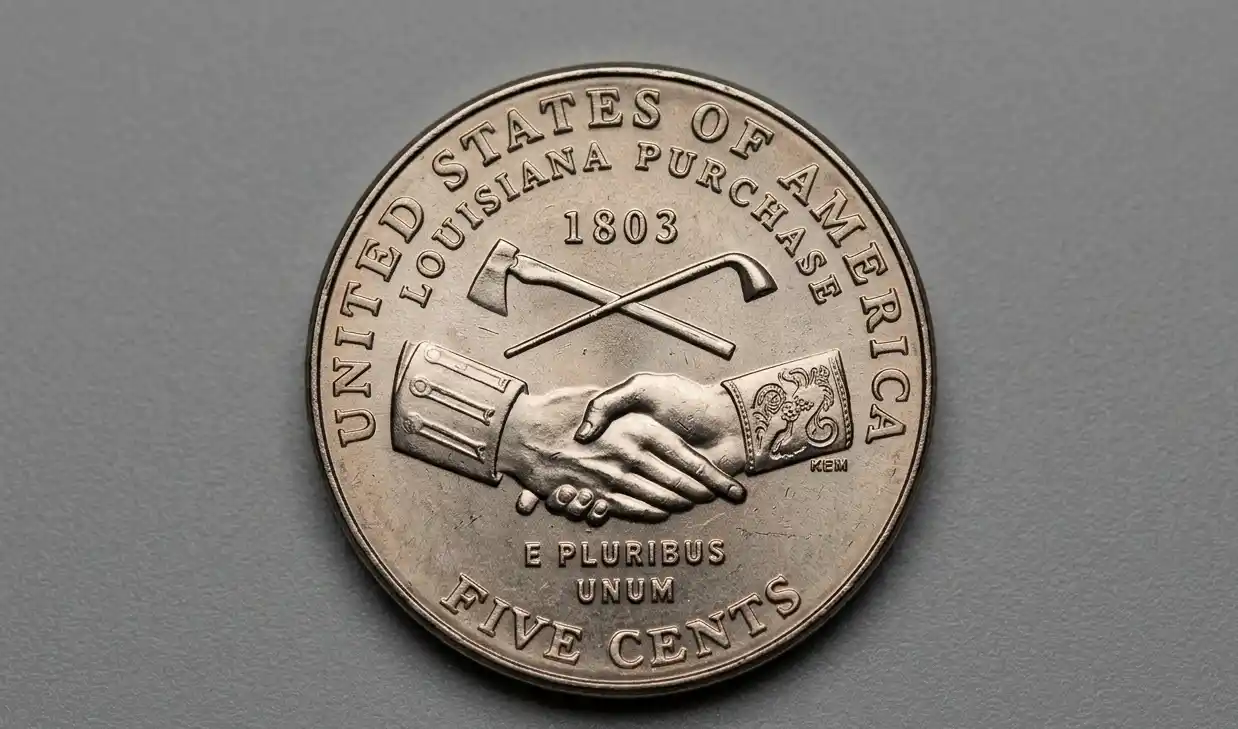
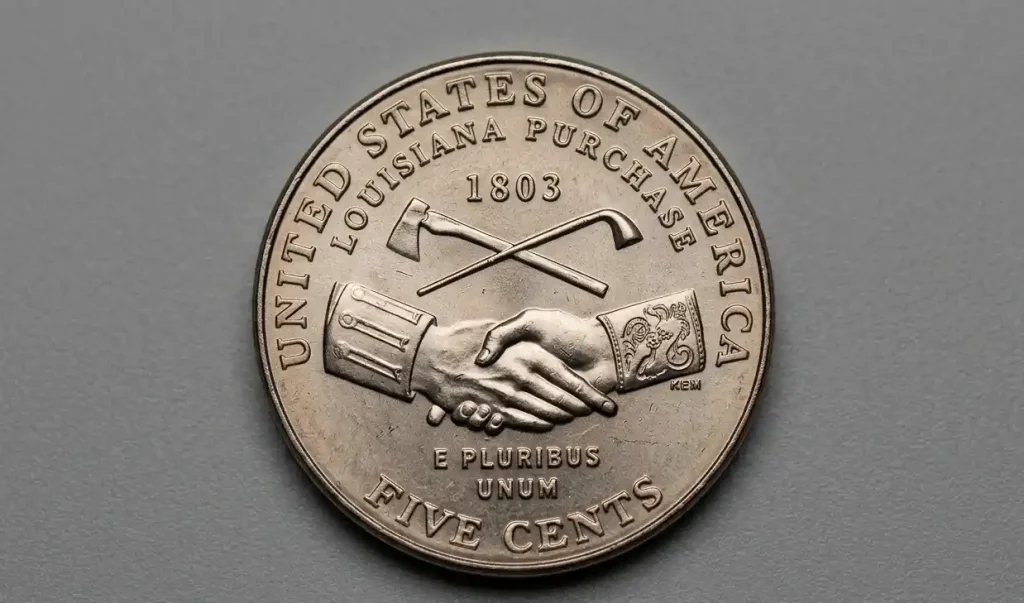
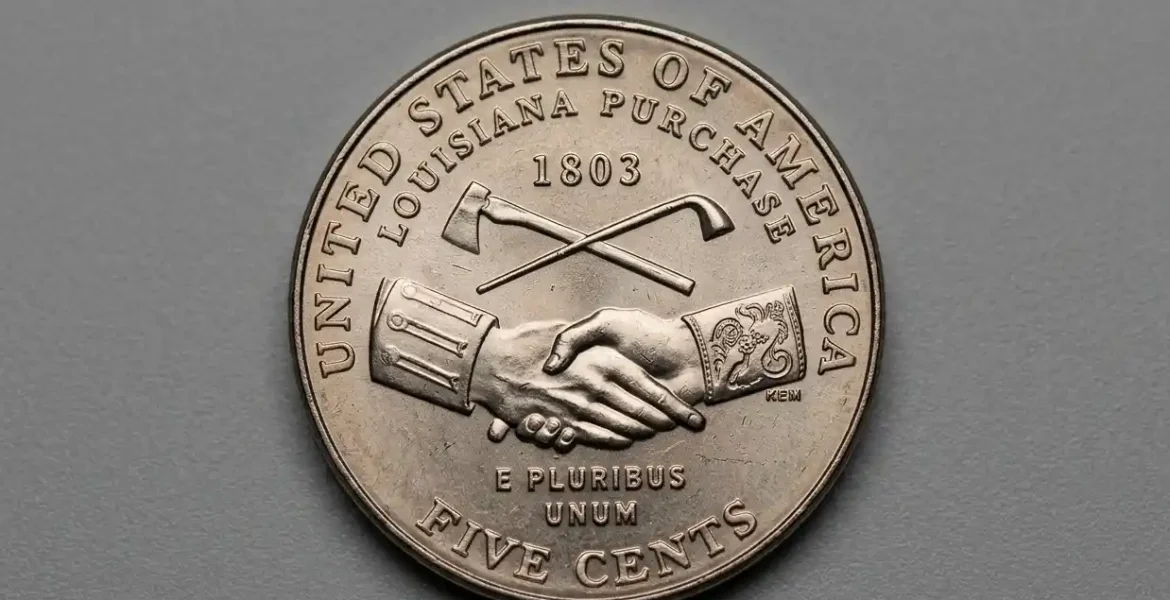
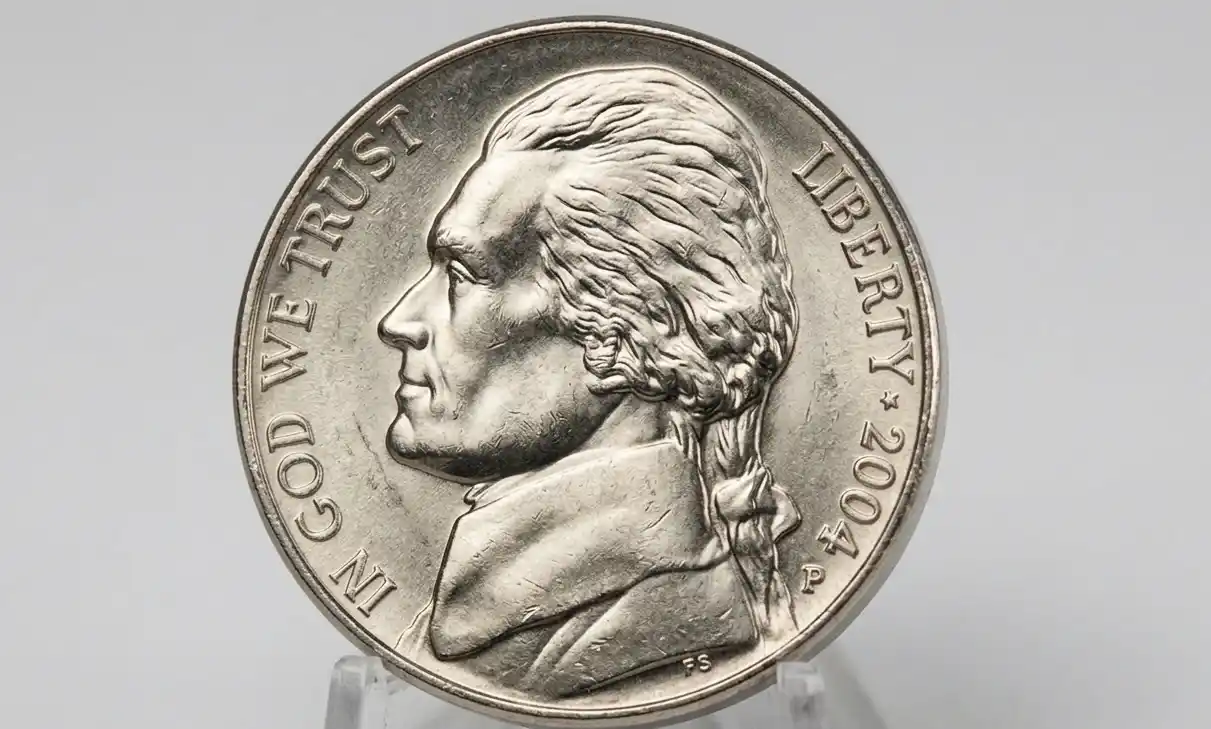
alt: macro close-up of a 1803 nickel coin
1794-1805→ Production of silver half dimes featuring the Draped Bust design
1829-1837→ Issuance of silver half dimes featuring the Capped Bust design
1837-1873→ Manufacturing of silver half dimes featuring the Liberty Seated design
1866-1883→ Parallel production of copper-nickel Shield Nickels
| Characteristic | Value |
| Face Value | $0.05 USD (Half Dime) |
| Weight | 1.35 g |
| Diameter | 16.5 mm |
| Composition | Roughly 89% silver, 11% copper |
| Edge | Reeded |
| Designer | Robert Scot |
| Mint Location | Philadelphia (no mint mark) |
Metal blends containing nickel began appearing in United States cents only in 1856.
Reasons for the “1803 Nickel” Misconception
Several factors contribute to the persistence of incorrect information.
Factor 1: Similarity in denomination names.
Modern users automatically associate five cents with the nickel, forgetting the silver predecessor.
Factor 2: Existence of fantasy fakes.
Markets contain many copies produced in later periods where the 1803 date is paired with modern designs.
Factor 3: Wear on original coins.
Heavily circulated 1803 half dimes losing their silver luster look similar to darkened nickel.
Factor 4: Cataloging errors.
Early private collection lists sometimes contained typos in the “material” column.
The error formation process looks like this:
Finding a 5-cent coin → Identifying the 1803 date → Applying the modern “nickel” name → Spreading false attribution.
Mintage Statistics and Original Rarity
Mintage for the 1803 silver half dime was extremely limited compared to modern releases.
Total production reached only 37,850 pieces.
By comparison, modern nickels reach billion-unit production levels.
Low production volume caused high market prices for original silver coins.
Survival estimates from experts suggest only 200–300 units exist today.
Market Value of 1803 Silver Half Dimes
Value for a genuine 1803 coin depends on preservation levels measured by the 1–70 scale.
Prices demonstrate steady growth over the last twenty years.
Current auction data and market estimates are provided below.
| Grade | Price | Annual Change |
| G-4 (Good) | $1,250 | +4.2% |
| VG-8 (Very Good) | $2,100 | +4.5% |
| F-12 (Fine) | $3,850 | +5.1% |
| VF-20 (Very Fine) | $6,200 | +5.8% |
| EF-40 (Extremely Fine) | $12,500 | +6.2% |
| AU-50 (About Uncirculated) | $28,000 | +7.5% |
| MS-60 (Mint State) | $65,000 | +9.0% |
A record price was documented at Heritage Auctions in 2023.
One specimen graded MS-64 sold for $144,000.
Analysis of Counterfeits Dated 1803
Most objects labeled “1803 nickels” are modern creations.
Main categories for these items include:
- Overseas copies.
Made from steel or brass with a thin silver coating.
Weights for these items usually exceed the standard by 15–20%. - “Fantasy tokens”
Coins featuring Thomas Jefferson (the 1938 design) but showing the 1803 date.
Produced as souvenirs for tourists. - Cast replicas.
Showing a characteristic porous surface absent in struck originals.
Identification methods for fakes:
- Magnet testing (silver does not react) → Reaction indicates a steel core.
- Measuring edge thickness → Deviations exceeding 0.2 mm suggest non-original origin.
- Visual detail scan coins for value → Smoothed letters and lack of sharp edges are typical for casting.
Metal Composition and Degradation
Silver alloys in 1803 half dimes undergo physical changes when touching sulfur.
Unlike nickel-based metals, silver forms a layer of patina.
Patina colors range from light gold to deep black.
Presence of original patina increases coin value by 15–20%.
Artificial cleaning with abrasive tools reduces market price by 50–70%.
Price change dynamics after losing original surfaces:
MS-60 (original luster) $65,000 → MS-60 (cleaned) $19,500.
Typological Varieties of 1803 Half Dimes
Small differences in dies exist within a single production year and can be determined with the coin value checker app.
Main variety: “Small 8” (featuring a smaller digit 8 in the date).
Another known variety: “Large 8” (featuring a larger digit 8).
Price differences between varieties average 10–15%.
Identifying these types requires using microscopes with at least 20x magnification.
Certification and Investment Protection
Buying 1803 coins without expert laboratory reports involves high risk.
Leading firms like PCGS and NGC perform material analysis.
Certification service costs for coins of this level range from $150 to $500.
Using a plastic holder with a hologram ensures asset liquidity.
Return statistics for uncertified “1803 nickels” at auctions reach 98%.
Comparison with Subsequent Issues
Minting of five-cent coins paused after 1805 until 1829.
This 24-year gap makes early-century releases particularly rare.
| Year | Mintage |
| 1800 | 24,000 |
| 1801 | 33,910 |
| 1802 | 13,010 |
| 1803 | 37,850 |
| 1805 | 15,600 |
1802 remains the rarest in the series, costing 4 times more than 1803.
Economic Influence on Asset Prices
Numismatic rarities from 1803 show inverse correlation with stock indices.
During high inflation periods (2021–2023), half dime values grew rapidly.
Average annual price growth over the last 5 years reached 6.8%.
This exceeds returns on US government bonds for the same timeframe.
Investment appeal stays high because of limited physical supply.
Production Technology at the Philadelphia Mint
Hand-operated screw presses were used in 1803.
Striking energy came from the physical strength of workers.
Uneven pressure resulted in coins with partially missing details.
A weak strike is considered normal for this period.
Difference between a weak strike and wear:
- Weak strike → Deep design parts remain sharp while high parts stay flat.
- Wear → All design parts show even smoothing.
Role of Catalog Numbers in Identification
The Valentine numbering system classifies 1803 half dimes.
Every die set has a unique number (V-1, V-2, etc.).
Identification using Valentine numbers is mandatory for major auction listings.
Mistakes in numbering within a lot description lower buyer trust and final prices by 5–8%.
Information Hygiene in Numismatics
Rumors about “1803 nickels” are sustained by non-professional media.
Headlines about “found treasures” often ignore material science.
Scientific approaches require relying on official Mint Director reports.
Archives for 1803 contain no records regarding nickel purchases or experiments.
Lack of documentary proof excludes the possibility of 1803 nickel pattern coins.
Preservation in Private Collections
Most authentic 1803 half dimes show signs of circulation.
Finding a coin in “Uncirculated” condition is nearly impossible.
Fewer than 10 specimens are known to have never entered trade.
Every appearance of such a coin on the market becomes a major event.
Percentage distribution of known coins by grade:
- Poor — Fine: 75%
- Very Fine — Extremely Fine: 20%
- About Uncirculated — Mint State: 5%