Beginner Strategies — Starting a Coin Collection
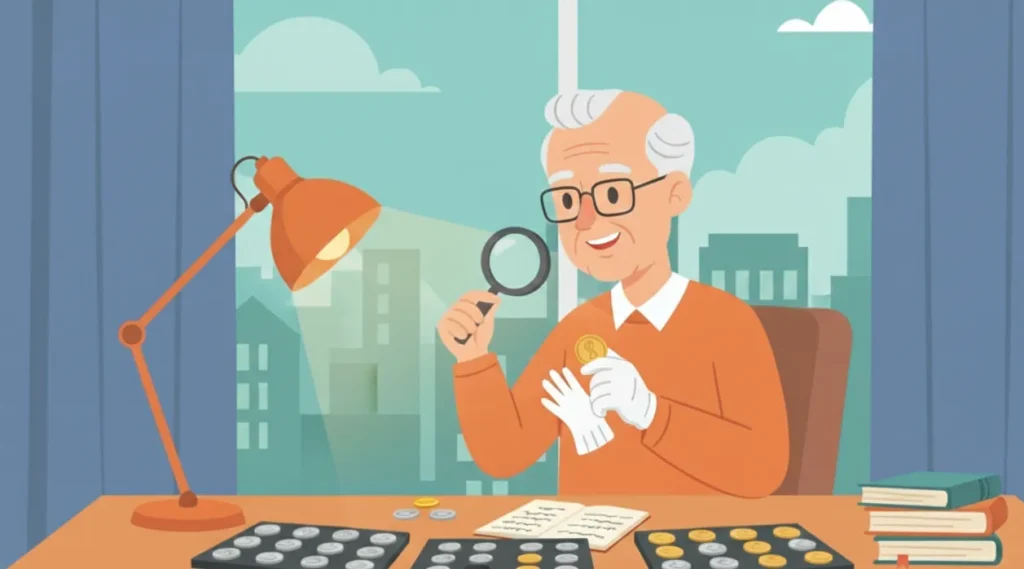
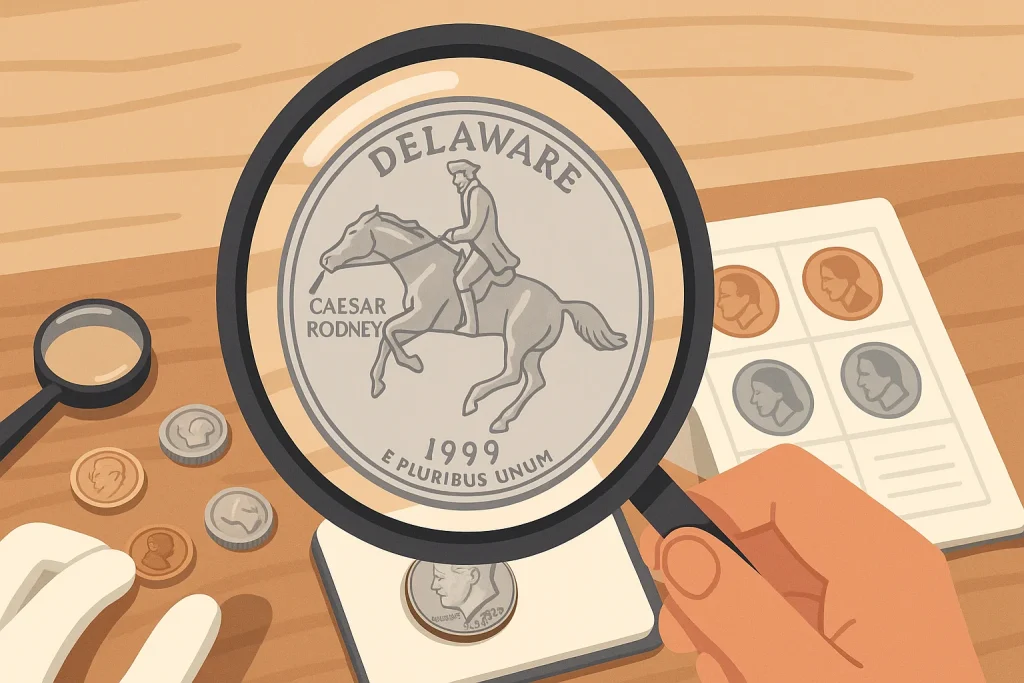
To be a pro in coins includes not only collecting, but also studying history, geography, and art, expanding your knowledge.
For a beginner, it may seem complicated, with many rules.
The most basic rule for a new person: Take your time and don’t spend a lot of money at once, take your time.
A good start helps you not make mistakes, preventing money loss and keeping your interest in the hobby high.
A strong start begins with picking the right plan of coin value lookup, setting the course.
Choosing Your Collection’s Focus
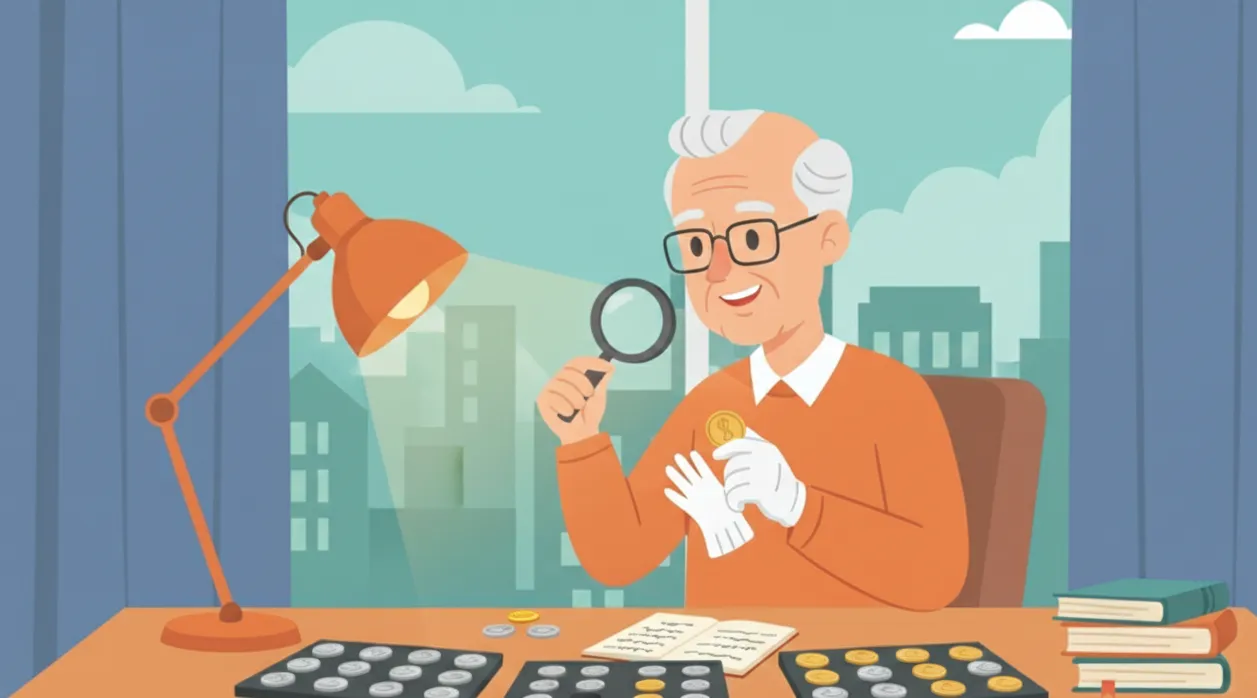
The most common mistake a new person makes is gathering all coins without a plan, wasting effort. Your collection must have a clear focus, giving it a purpose.
A focus makes the gathering easy to understand, helping you learn and making it easy to find the coins you need, simplifying the search.
Theme Focus
The collection is built around one theme you like, making the hobby personal.
- Gathering coins from different lands, those coins have pictures of animals, showing nature’s beauty.
- Gathering coins made for dates related to travel into space, marking big human steps.
- Gathering coins with transport like ships, trains, or planes, showing different ways of travel.
Geographical Focus
The collection is built around one land or one part of the world, helping you become an expert in a small area, concentrating your study.
- Gathering all coins made in your land from a certain year, showing the national history.
- Gathering coins from lands in Africa or Asia, showing global variety.
- Gathering coins from lands connected in the past, showing shared heritage.
- It is easier to find special facts and printed books about these coins, making the study easier.
Buying in this area is often simpler, the market being better known, ensuring easy trade.
History Focus
The collection is built around one time period or one ruler, this focus needing deep knowledge, pushing you to learn more.
- Gathering all coins made during one ruler’s time shows political change.
- Gathering coins made before, let’s say, 1900, showing age.
- This stands as a good way to study history, making the past real.
Strategies for New People: How to Gather
After picking the focus, you need to decide how you will gather the coins. There are two main ways, those ways differing in cost and difficulty, requiring a choice.
Quick Start
Gathering by type means you buy one coin of each kind, not thinking about the year it was made, getting a wide view.
If in 1950, coins of 10, 15, and 20 cents were made, you would buy one coin of each value, covering the basics.
The collection fills up in big parts, making fast progress.
This does not need much money at the start; you buy common coins, saving funds.
The coins in the collection will have different years and different states. This method works best for learning, giving a wide base of knowledge.
Catalog Gathering
This stands as the most full and complex way to gather. You gather all coins made in one place, for every year, and all different kinds, needing much effort.
- You gather all coins of the US from 1961 to 1991.
- You need to find a 1-cent coin from 1961, a 1-cent coin from 1962, and so on, looking for every piece.
- The goal is to find every coin that was made, filling every spot in the book, completing the set.
- The coin that is missing is called a “key date” and often costs a lot of money, being hard to find.
- This stands as the most complete kind of collection, showing great effort.
- This method needs much patience and money, rare coins often costing thousands of dollars, making it a slow and costly road.
Rules and Checking
A new person must be very careful when buying, trying not to lose money because of fakes or paying too much. In coin collecting, the rule always is: if the coin looks too good or costs too little, it means you should have doubts, needing a closer look.
Where to Buy and From Whom
At the start, it is better to buy coins not at open sales but from dealers having a good name, relying on trusted sellers.
Buy coins in a store that only deals with coin collecting, ensuring expertise.
Buy from people in your local club, getting help from people you know.
Always ask the seller for a promise of realness, needing a guarantee.
Ask for the chance to give money back if the coin turns out to be a fake, ensuring safety.
Read the words about the seller on coin forums, learning from other people’s experiences.
Grade
The coin’s state is the most important thing changing its price. It is better to have fewer coins but in a better state, making your collection worth more.
It is better to buy one coin in VF state (Very Fine) than three coins in G state (Good), focusing on quality.
If possible, buy coins that were not used (Uncirculated, or MS), whose price is growing the fastest, being the best to hold.
Learn the system of grades (G, F, VF, XF, AU, MS), helping you know what you are buying, making smart choices.
Certified coins. Buy coins in plastic slabs (NGC, PCGS) or those checked with the best coin identifier app (Coin ID Scanner), doing this when you start buying costly coins, ensuring the best quality.
A slabbed coin has a sure grade, giving you a guarantee of its quality.
Keeping and Touching
Keeping coins right keeps your money safe. Keeping them wrong can ruin a coin in a few months, losing its worth.
Keeping
Use books made from materials that are safe, not hurting the coins.
Never keep coins in soft plastic bags or books made of polyvinyl chloride (PVC). PVC makes acid over time, that acid causes coin damage (green Keep coins in a dry, dark place, doing to stop mould and damage, ensuring long life.
For rare and costly coins, use special plastic cases those cases fully enclose the coin and stop air from reaching it, keeping it safe.
Touching
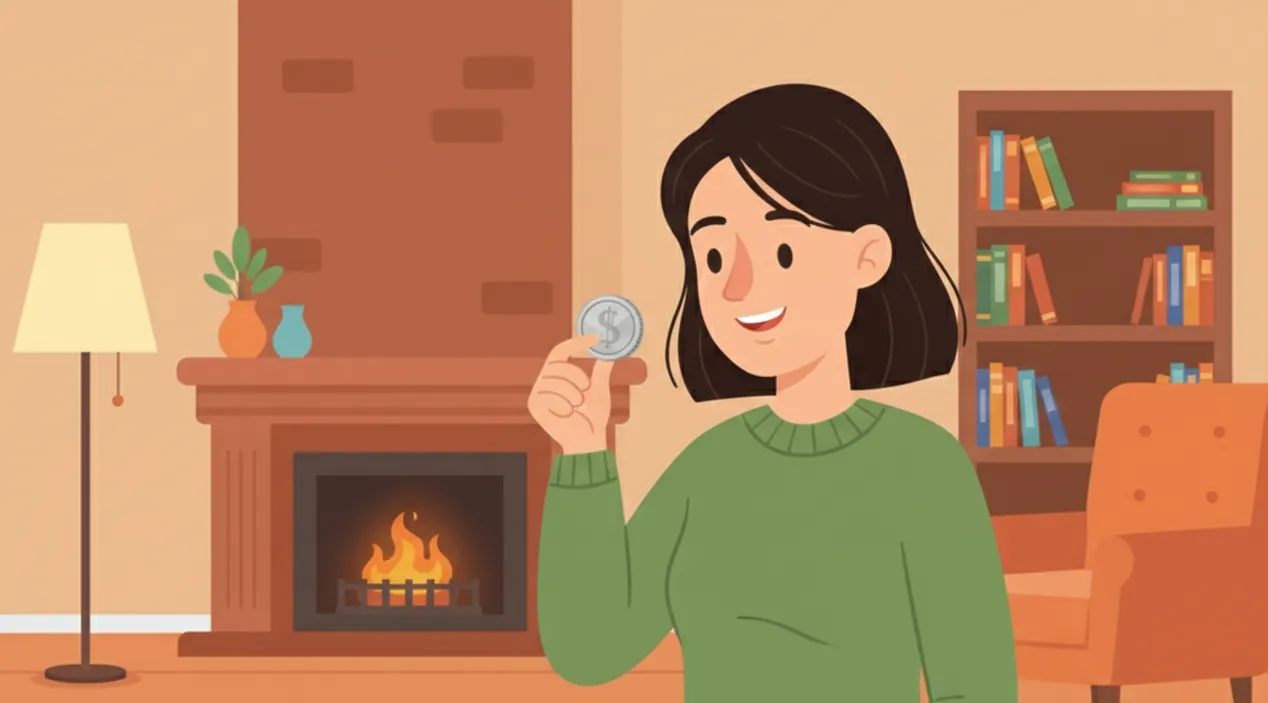
Always pick up the coin only by its edges, not touching the flat part of the coin, keeping the surface clean.
Oil from your fingers leaves spots, those spots getting darker over time and ruining the coin, making its price drop.
Cleaning a coin the wrong way can fully kill the coin’s worth for collectors, causing irreversible harm.
Patina stands as natural protection and is liked by collectors. You cannot take it away, as it adds value.
If the coin has green or blue powder damage, you need to put it away from other coins and talk to an expert, stopping the spread.
Keeping Records of the Collection
You need to keep clear records of all your coins inside the coin app for Android, knowing their details.
Make an online list of your coins, tracking them all.
Write down the price you paid for the coin, and the day you bought it, keeping track of the money spent.
Write down the dealer’s name or the seller’s name where you bought the coin, noting the source.
This helps you watch the collection’s worth grow, seeing your money increase, and is needed for getting the collection covered by insurance, protecting your assets.
How to Make the Collection Better
The collection should not stay the same. As you learn more, you must make it better, upgrading the quality.
If you have a coin in F state, and you find the same coin in XF state, you need to sell the old one and buy the new one. This is called making the collection better, raising the standard.
If you started with a wide theme, make it smaller over time. For example, from “Coins with animals” to “Only coins with a picture of an eagle,” focusing on one area.
Go to large coin shows and meetings. This helps you see rare coins and meet experts, growing your circle of contacts.
Conclusion
Starting a coin collection stands as a serious and long-term thing to do, needing patience. A new person must first pick a clear focus for their collection, not trying to gather everything at once, saving time and money.
The second rule: always buy coins in the best state possible and never clean coins yourself, protecting the value. Buy coins only from sellers you trust and spend money on a good book and tools for checking.
Remember that the quality of the coin is always better than how many coins you have, and only a collection of high-quality keeps and grows your money, being a wise choice.